In most places, narrow-gauge forest or industrial railways have been left behind by time: at best, they now carry tourists, but the original function has almost entirely disappeared. Interestingly, in Austria— a country with a highly developed economy—there is still an industrial railway that handles regular freight traffic to this day, with the railway itself having changed little over the decades. They surely wouldn't keep it running if it weren't profitable! We’ll explore the reasons for this on site.
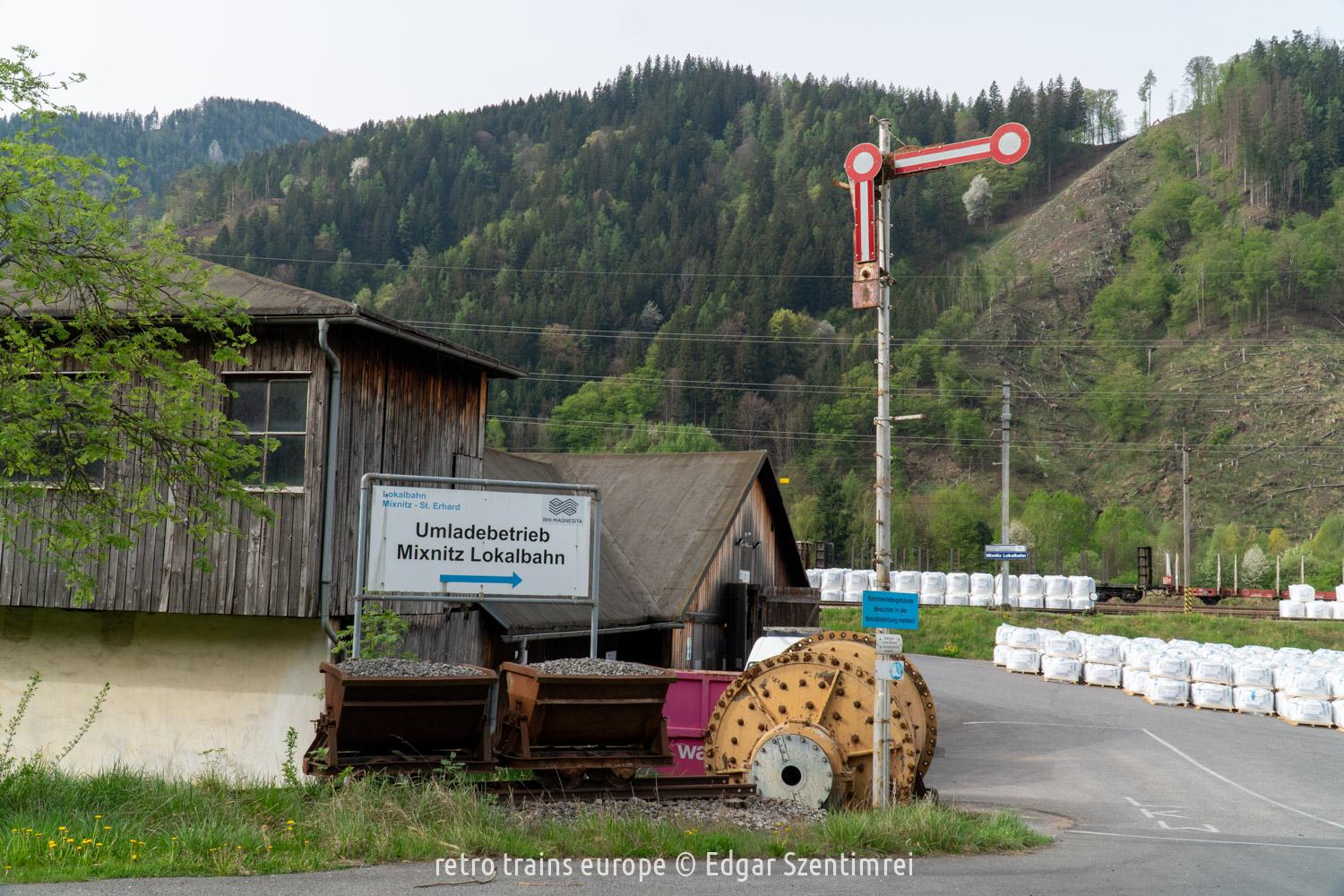
Transshipment station, Mixnitz Lokalbahn – Mixnitz is a small village in Styria. It is easy to find the terminus of the narrow-gauge railway, especially with the help of signs and other indicators. At the entrance of the transshipment station, wagons and a semaphore signal assist with orientation. Stone-filled wagons and a semaphore signal… a clear sign indicates the location of the Mixnitz local railway transshipment station in the Mura Valley, next to the Südbahn. The wagons once transported mineral resources from the deep mine, but their job has now been taken over by modern, rubber-tired mining machines. (Mixnitz / Austria, 09 April 2024, 8:41 CET)
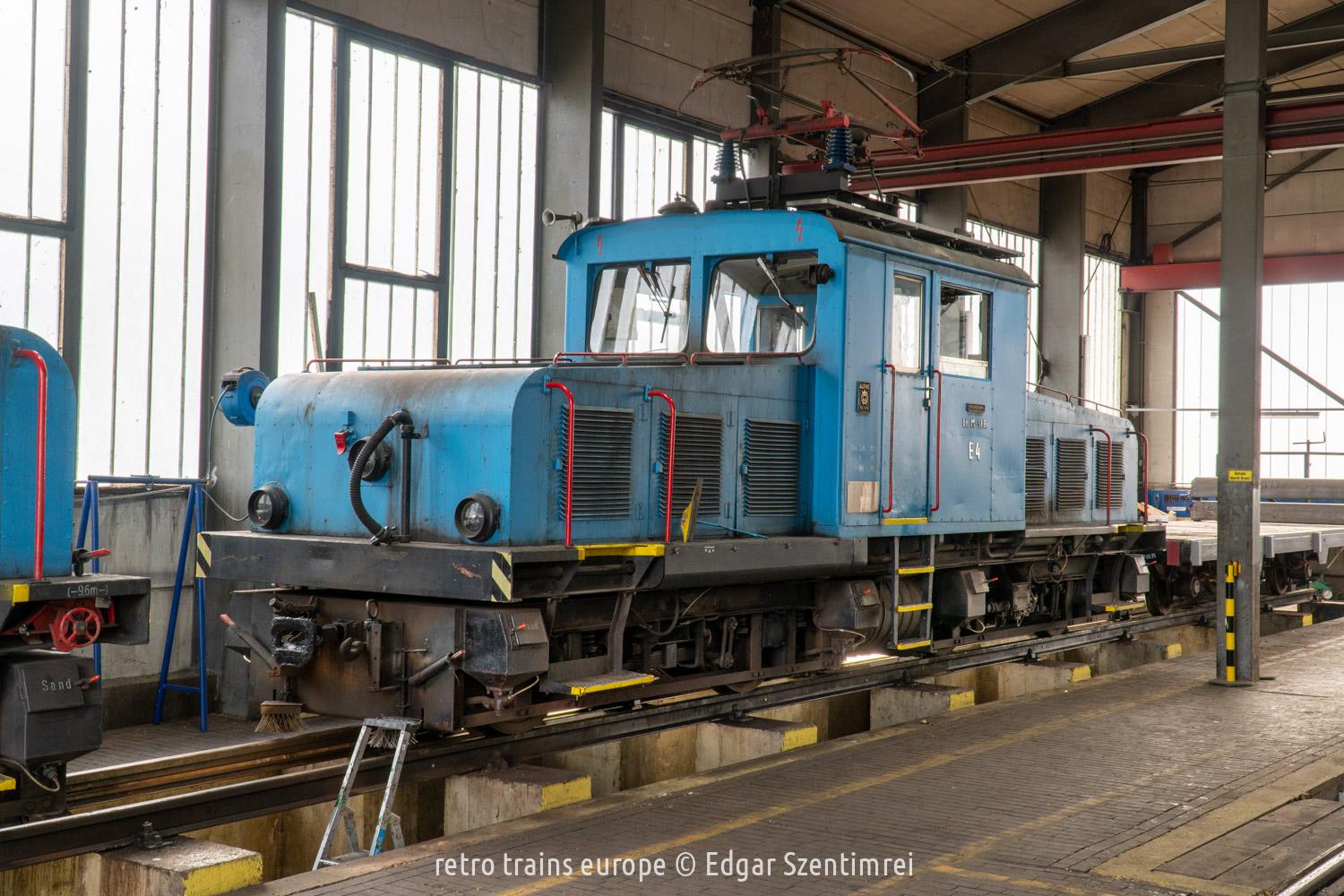
Technical base – The narrow-gauge railway connects to the ÖBB national railway network at the Mixnitz-Bärenshützklamm station. There used to be a packaging and transshipment facility here, but rail-to-rail transshipment has been discontinued. Palletized goods are now transferred to larger trucks, which cannot travel on the side road leading to the facility. The narrow-gauge railway's technical base is located here, where track maintenance and vehicle servicing are carried out. The locomotive repair shop, established in 1913, is not contemporary with the narrow-gauge railway, as the activity was transferred here after the closure of the Breitenau workshop. The storage and maintenance of locomotives are carried out under relatively modern conditions. The E4 locomotive is shown in the picture. (Mixnitz / Austria, 09 April 2024, 9:34 CET)
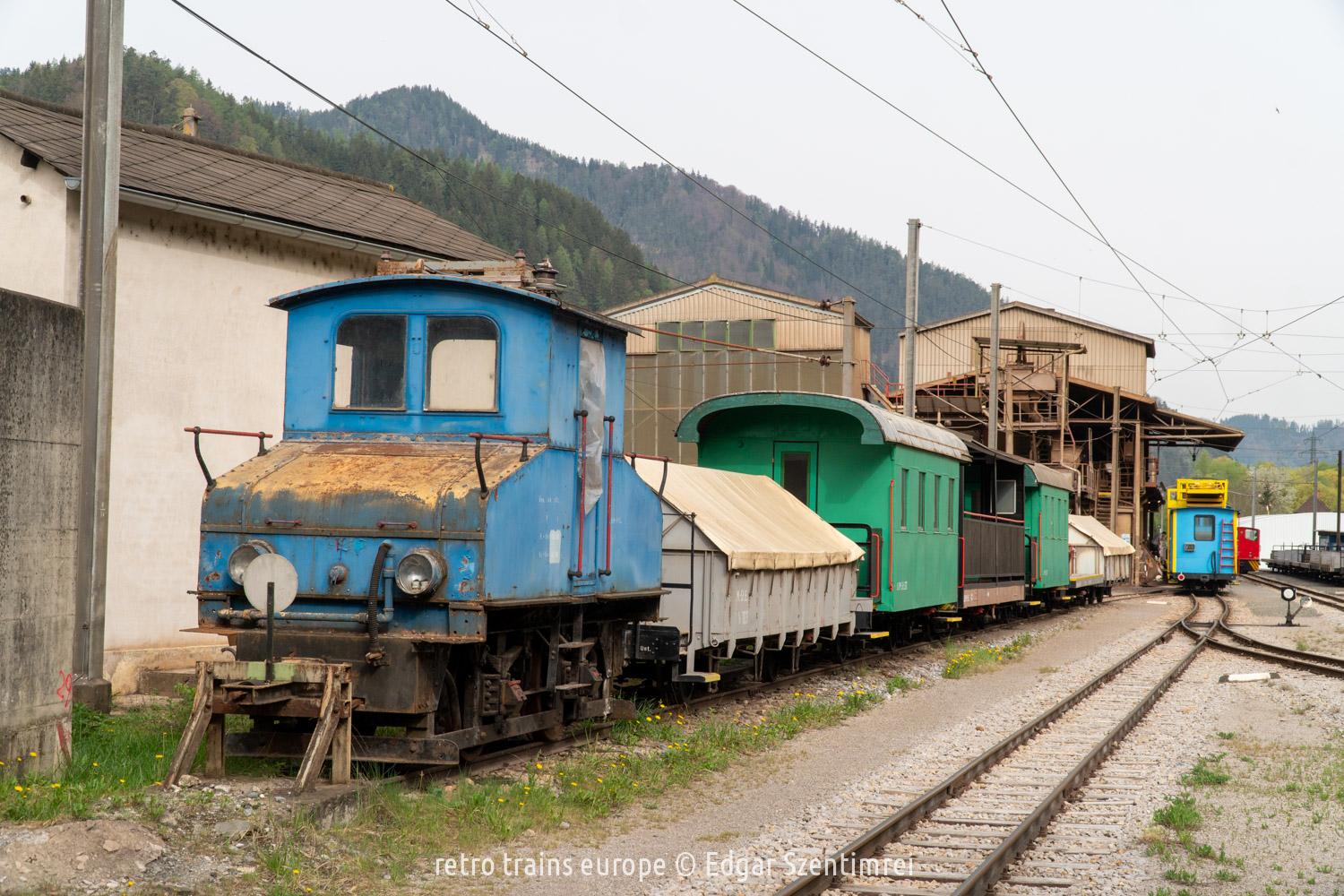
The original locomotives are still around! – The railway line was opened in 1913, and the AEG delivered two two-axle electric locomotives. Both are still in existence, with the E2 still in operation, while the E1 is only used as a parts donor. Their power is 110 kW, and the maximum speed is 20 km/h. (Mixnitz / Austria, 09 April 2024, 9:34 CET)
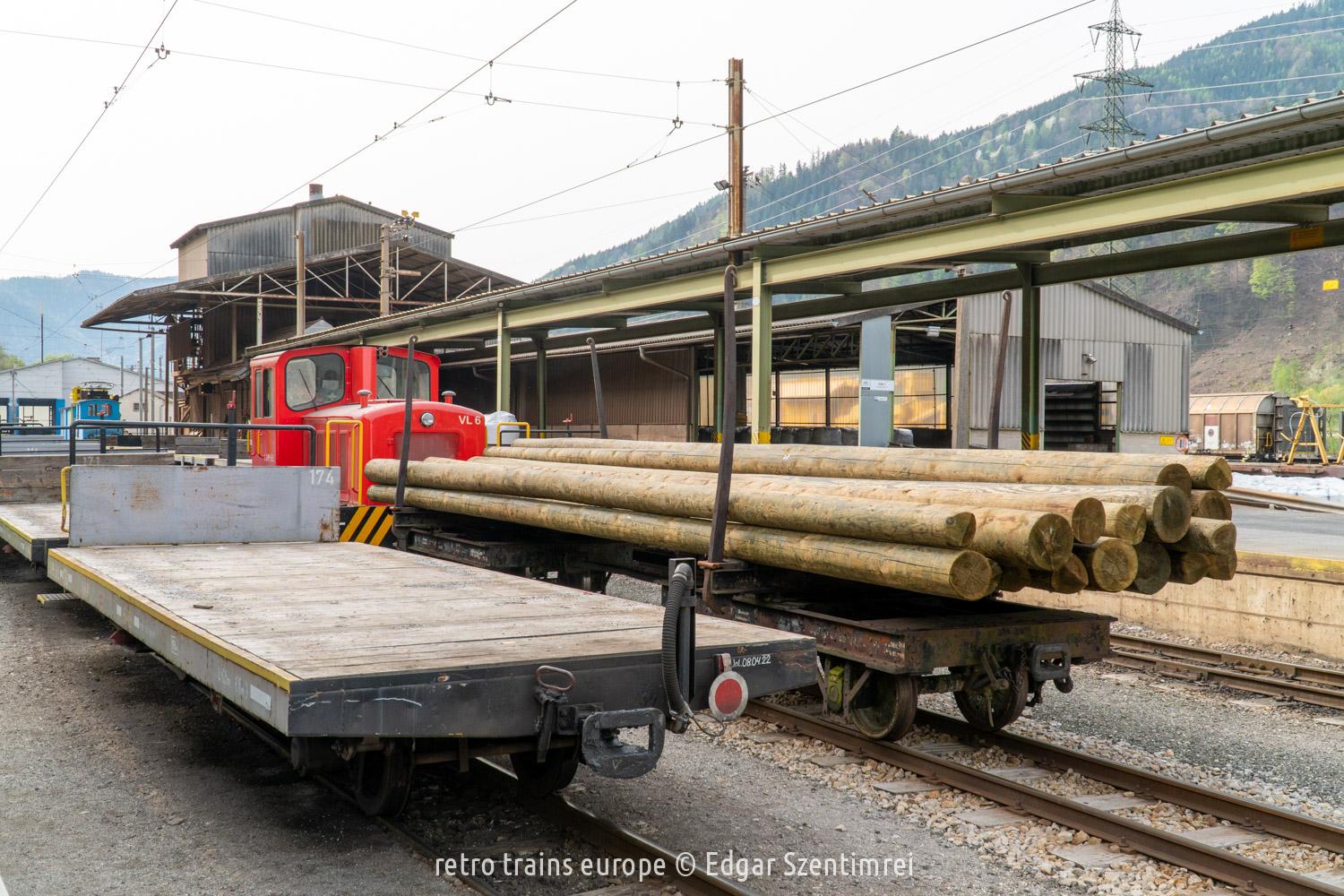
Timber transport – The railway once transported a lot of wood, but the pine logs visible in the picture are not for sale! They support the overhead electric lines, and the worn-out poles are regularly replaced by track maintenance. (Mixnitz / Austria, 09 April 2024, 9:48 CET)
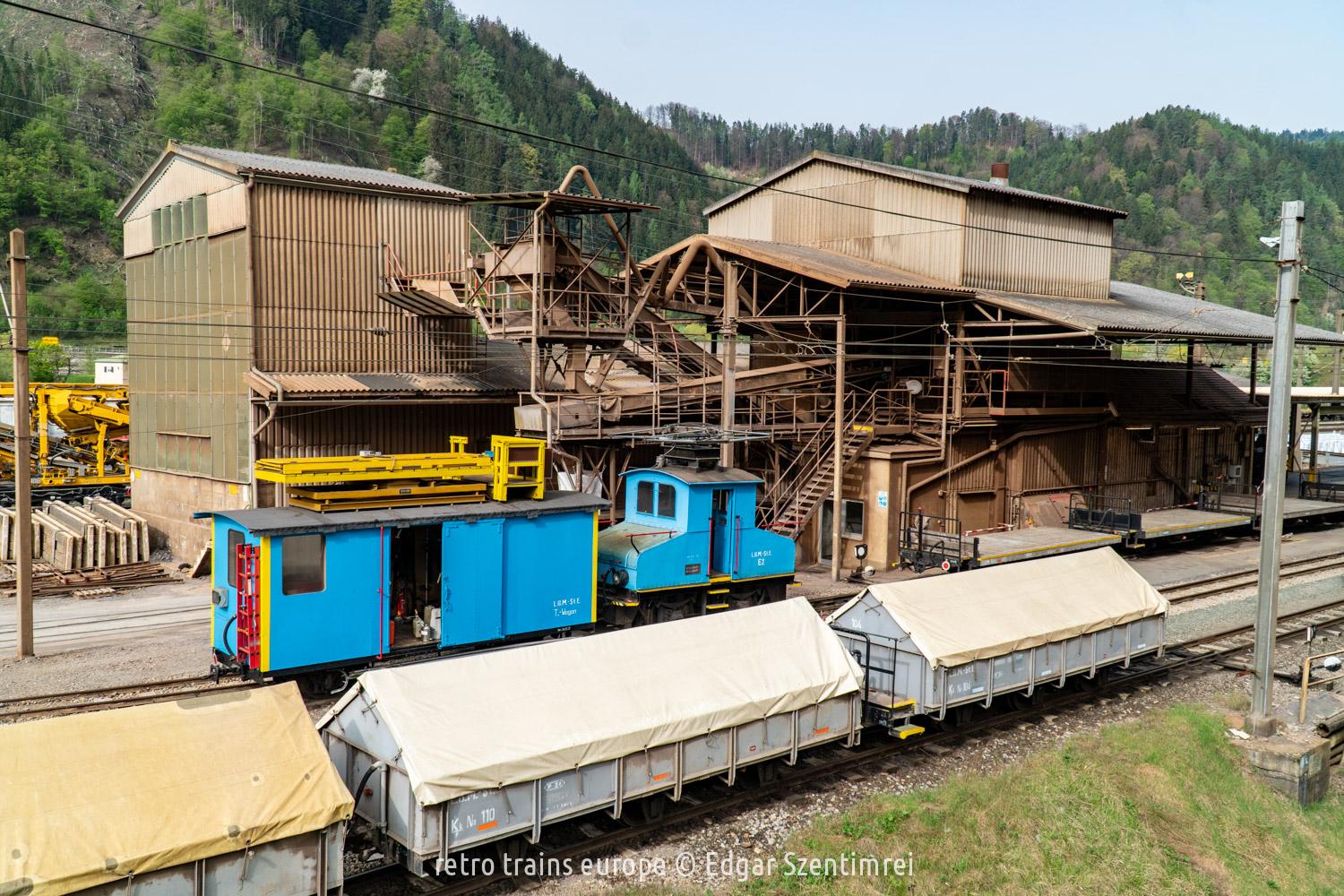
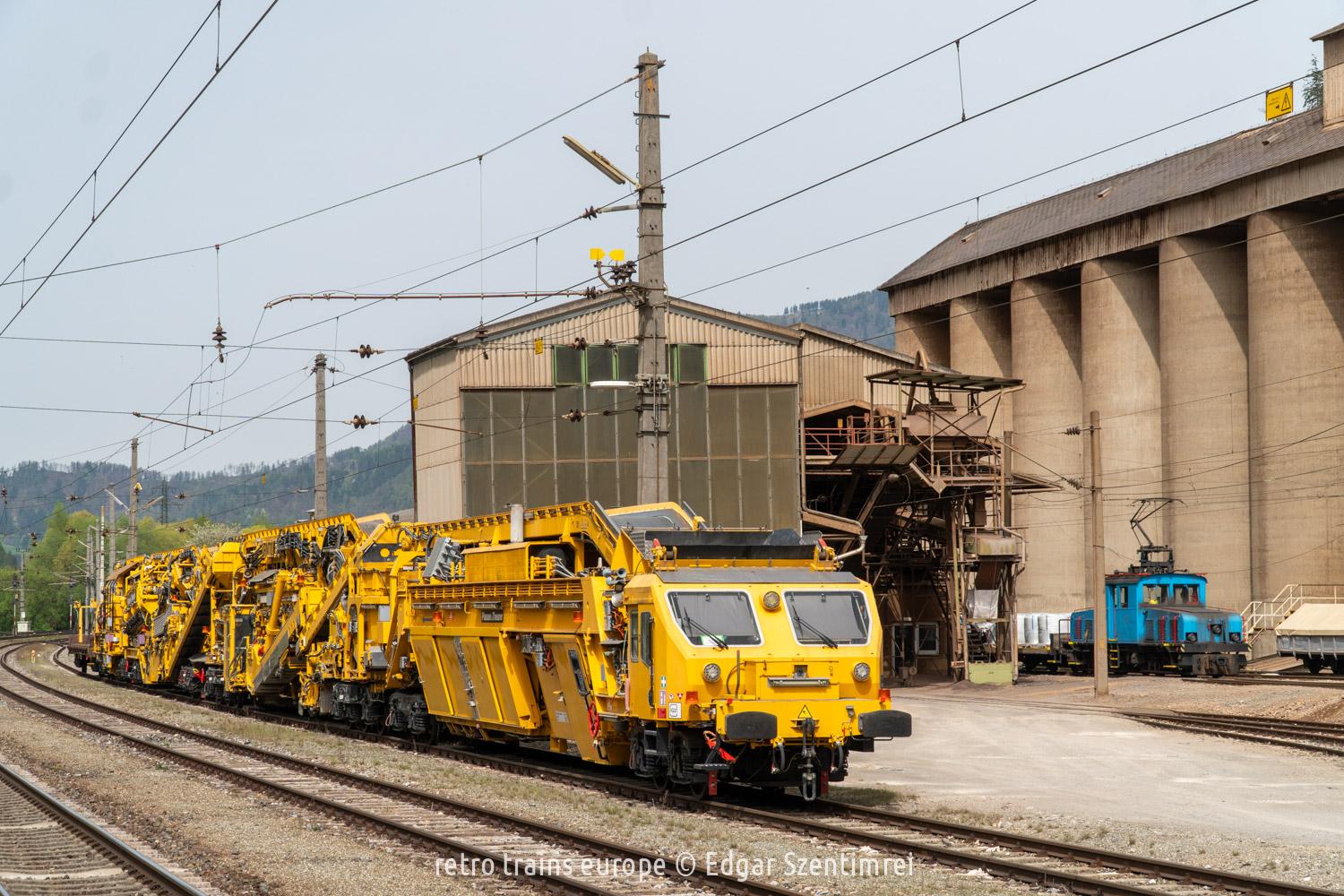
Like a meticulously crafted model railway – as if the enthusiastic modeler had placed everything they had on the table. The scene is dominated by the massive loading equipment, with the more than a hundred-year-old E3 locomotive in front, and the railway maintenance vehicle used for overhead line repairs. The colors match well, though they don't really go together, because the overhead line is disconnected for maintenance, but then the locomotive wouldn't work either. The tarped cars look so perfect, they could have been photographed from a model railway. (Mixnitz / Austria, 09 April 2024, 10:00 CET)
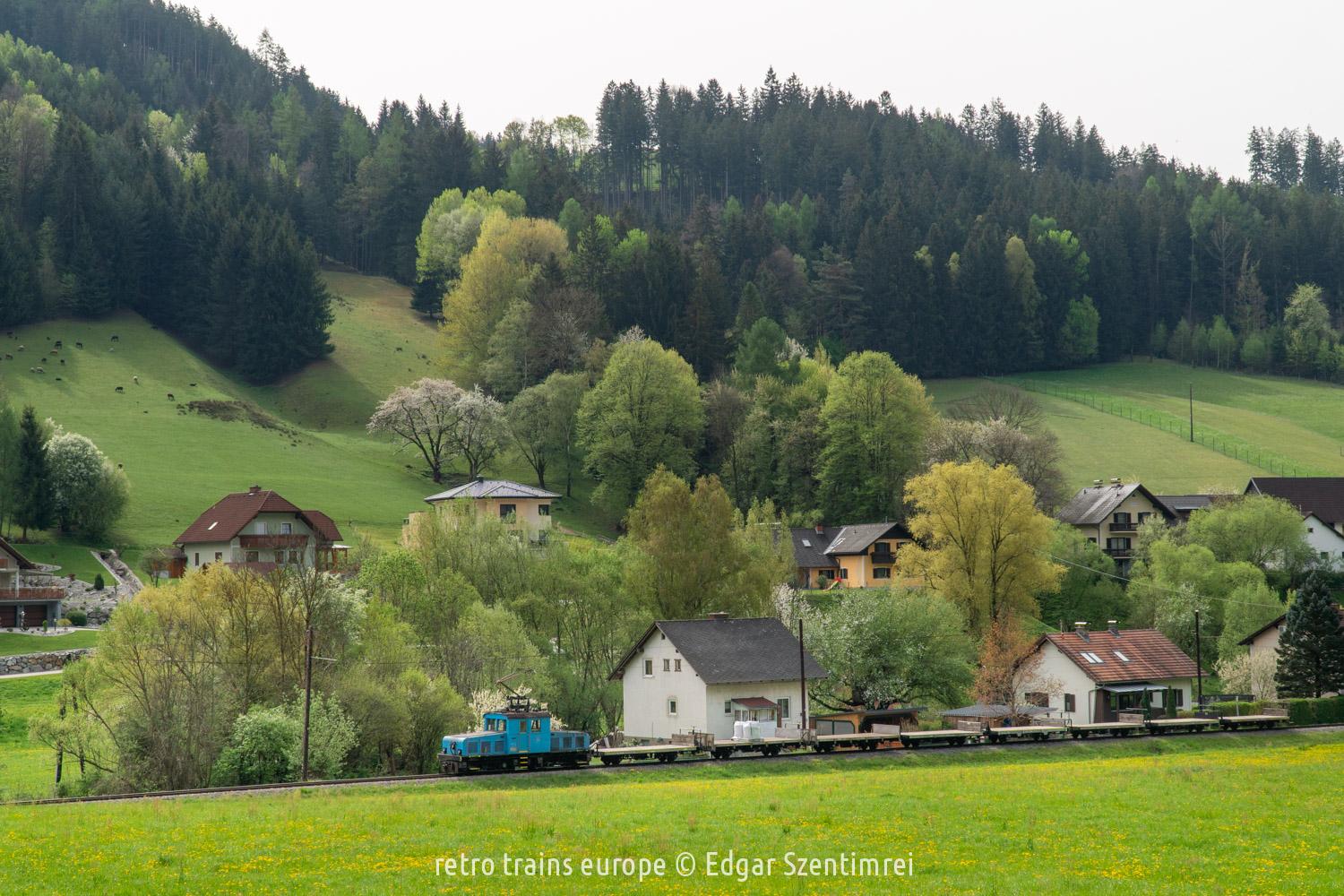
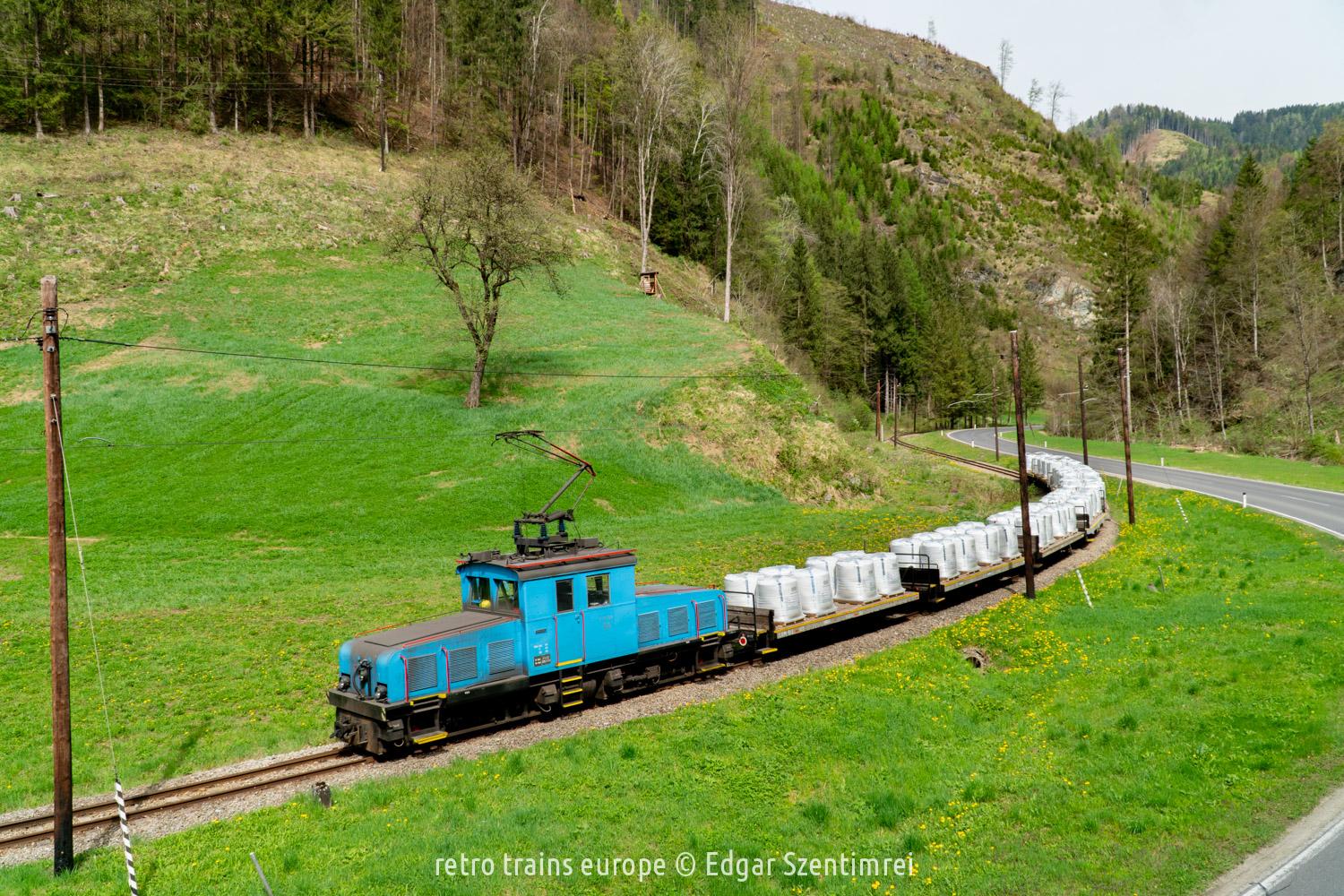
On the way with today’s only train – Although typically, the freight train operates three or four times a day, today there was only one run. The train’s journey is bordered by a colorful spring forest, with blooming deciduous trees and dark green evergreens, flowering meadows, and freshly mown hillsides. The 'wireless lawnmowers' operate intermittently, with mowing followed by resting, and by emptying the tank, the valuable material is returned to the soil. (Mautstatt / Austria, 09 April 2024, 10:32 CET )
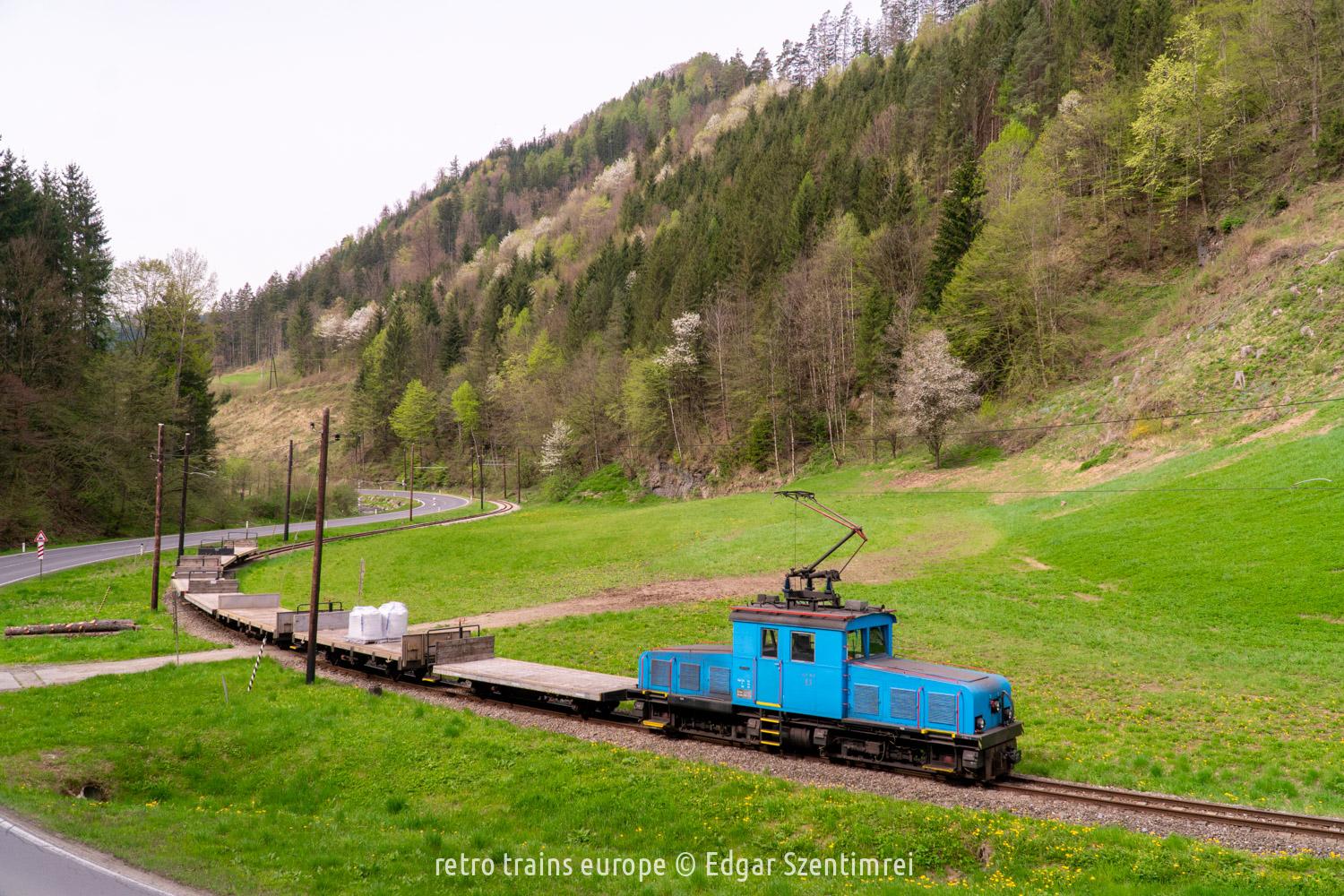
Two tons of "unpay" load – The trains travel uphill empty, but today two bags (each weighing one ton) were left behind, perhaps because they were damaged. The train is being pulled by the 1957-model E3 locomotive, which is 66 years old this year, and was built by the Oesterreichisch-Alpine Montangesellschaft (ÖAMG) at their plant in Zeltweg. (Schafferwerke / Austria, 09 April 2024, 10:45 CET)
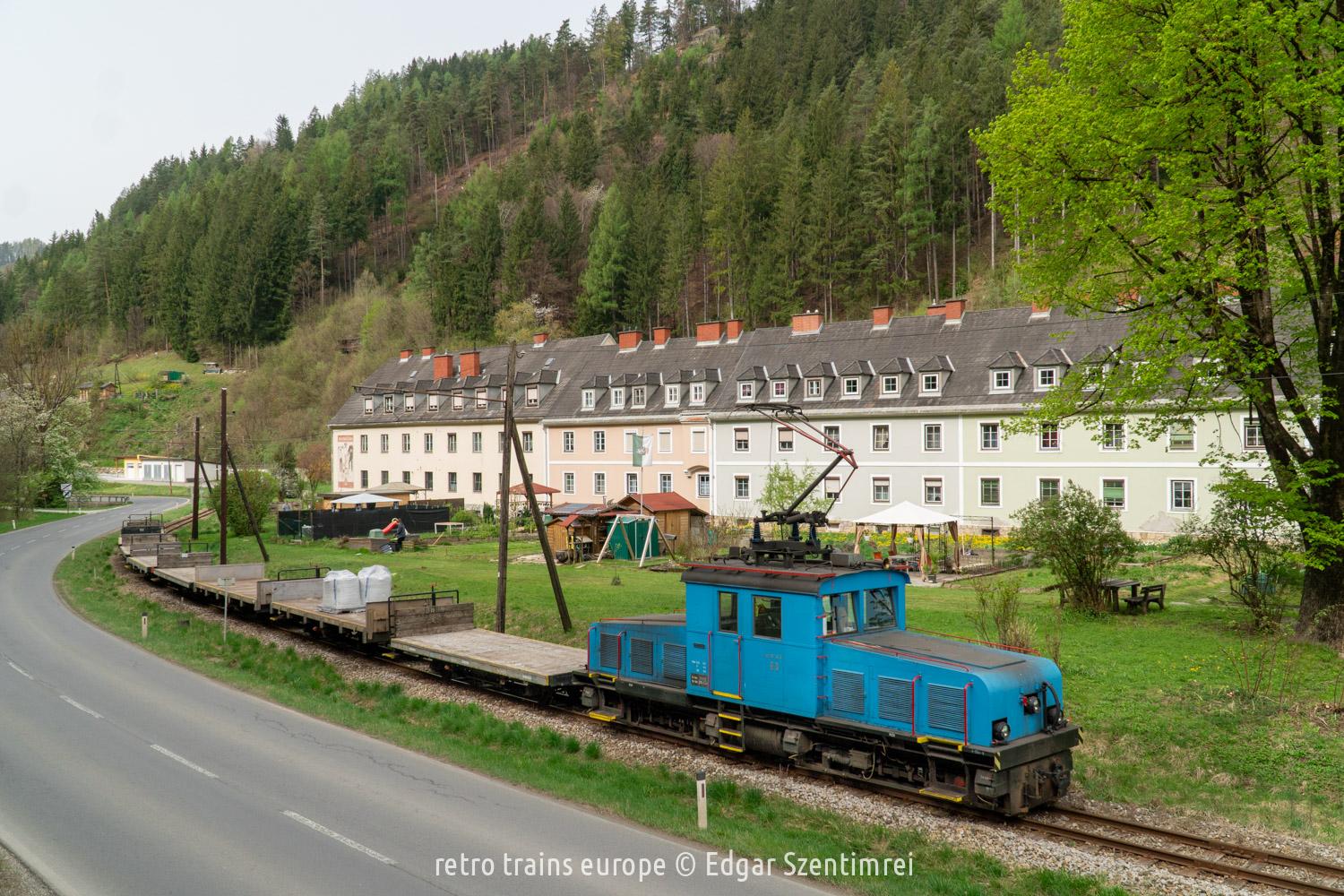
Miner's houses, with a view of the railway – Before reaching the terminus, the train passes by residential houses. These apartments were likely built for the miners who worked or still work here. (Breitenau am Hochlantsch, Alois Schwach Siedlung / Austria, 09 April 2024, 10:51 CET)
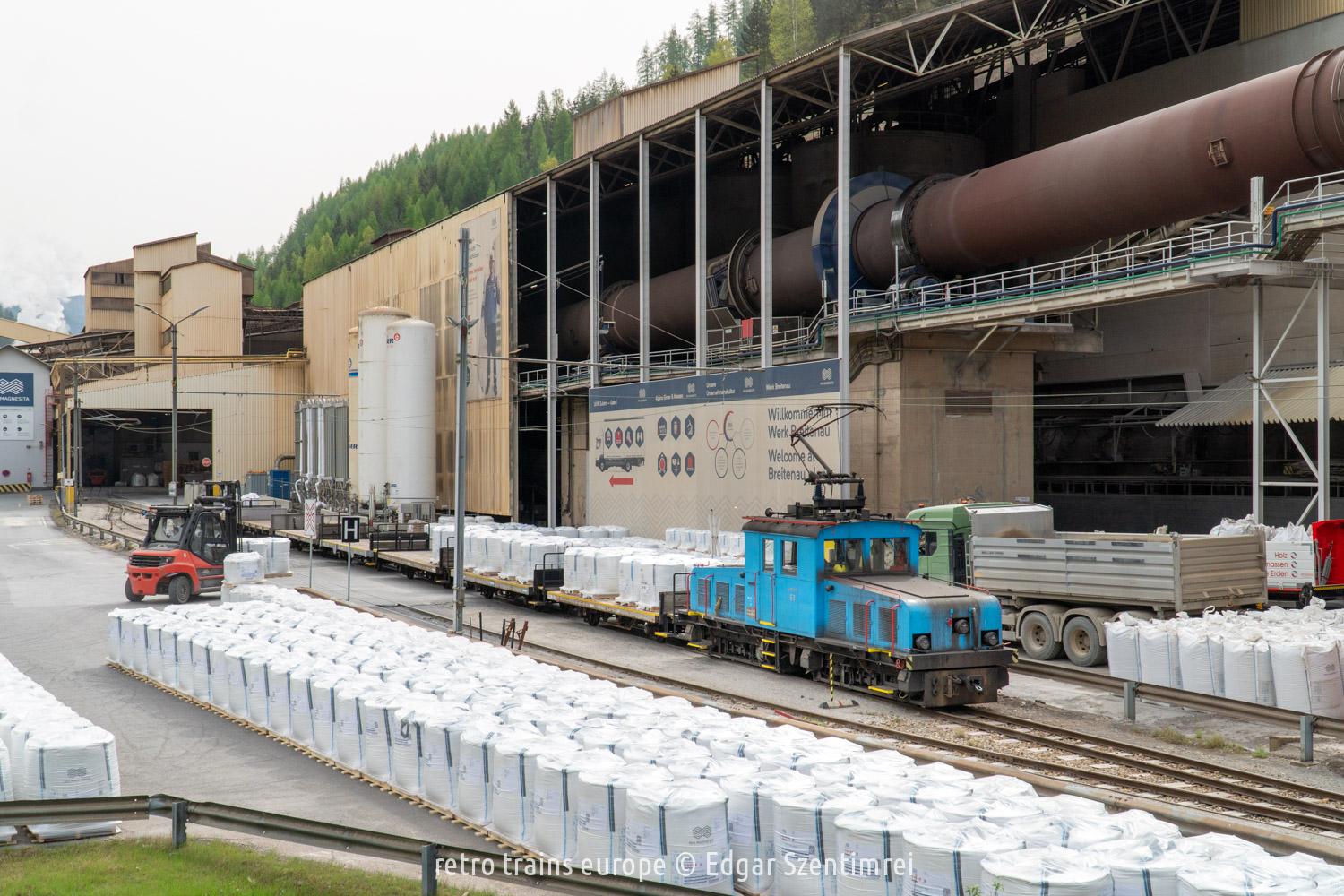
Big bags, waiting for transport – Due to the ancient locomotives, the railway appears outdated, but in reality, it is not. A few years ago, bulk transport was replaced with big-bag packaging, which is cleaner and more economical. The bags on pallets are collected at the loading area and then lifted onto the flatcars using a forklift. (Breitenau am Hochlantsch / Austria, 09 April 2024, 11:11 CET)
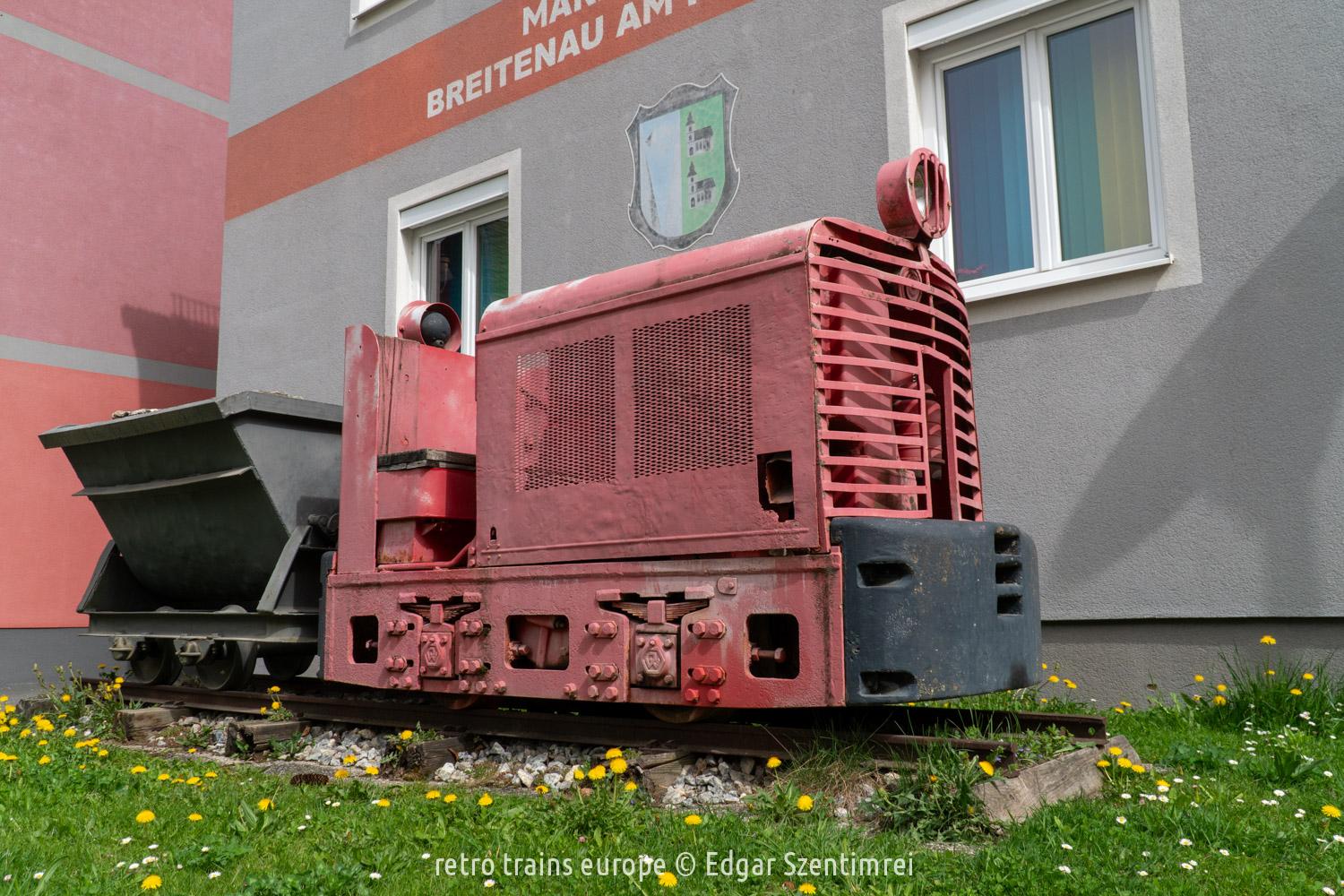
Tiny Locomotive in the Main Square – At the magnesite mine near Breitenau, the Jenbacher Werke JW 20 mining locomotives were used, but none of them remain. In the center of the village, a JW 15 locomotive was displayed from the Radenthein magnesite works, which was delivered to the customer on August 1, 1957. The locomotive has a gauge of 600 mm, meaning it could never have operated on the current 760 mm network. (Breitenau am Hochlantsch / Austria, 09 April 2024, 11:21 CET)
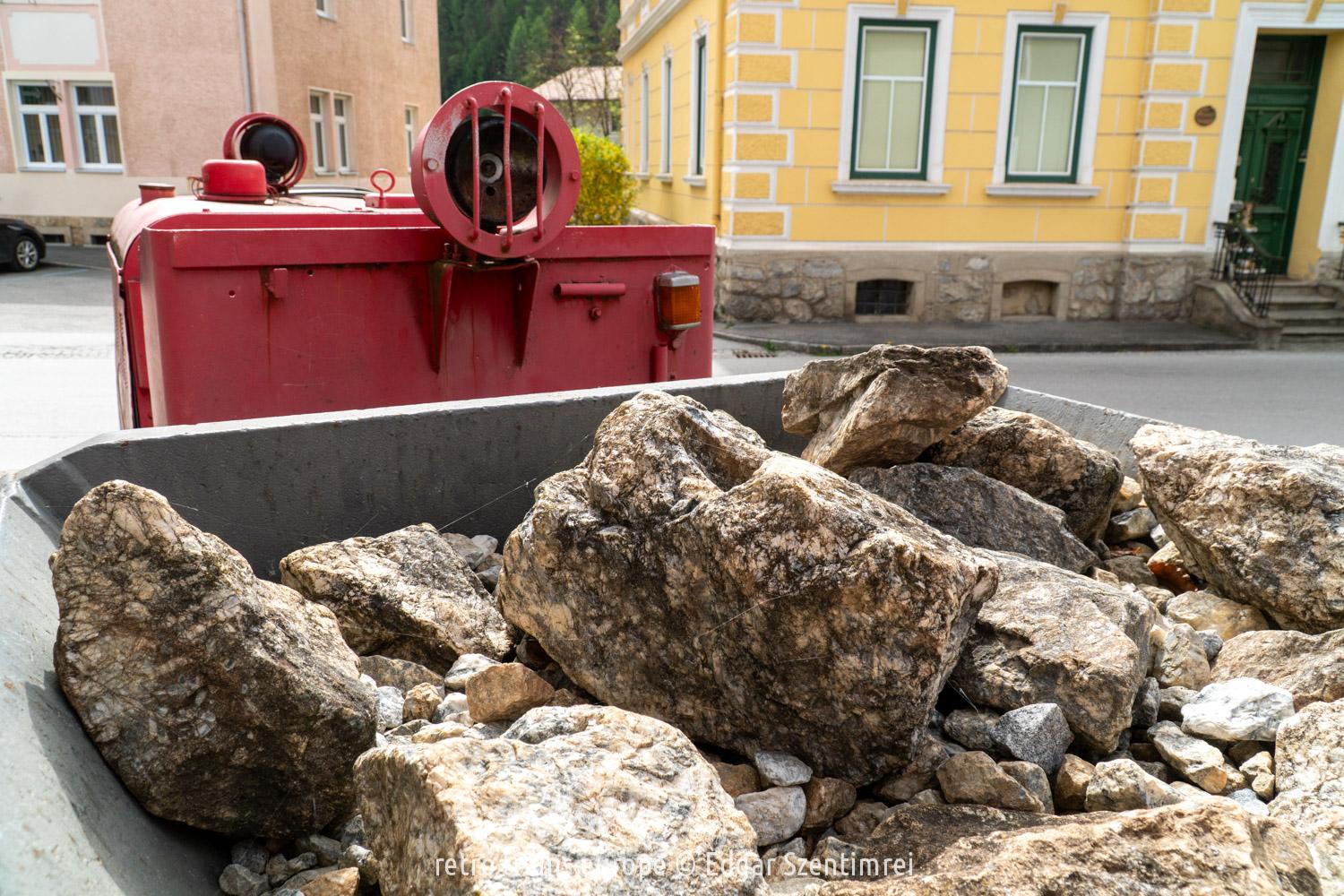
What is magnesite used for? -- The wagon coupled behind the JW 15 locomotive contains magnesite, a yellowish, grayish-white, or brown-colored mineral made of magnesium, carbon, and oxygen. It has a melting point of 650 Celsius, so its primary industrial use is in the production of heat-resistant linings for furnaces. -- Breitenau am Hochlantsch (at), 9 April 2024, 11:24 CET
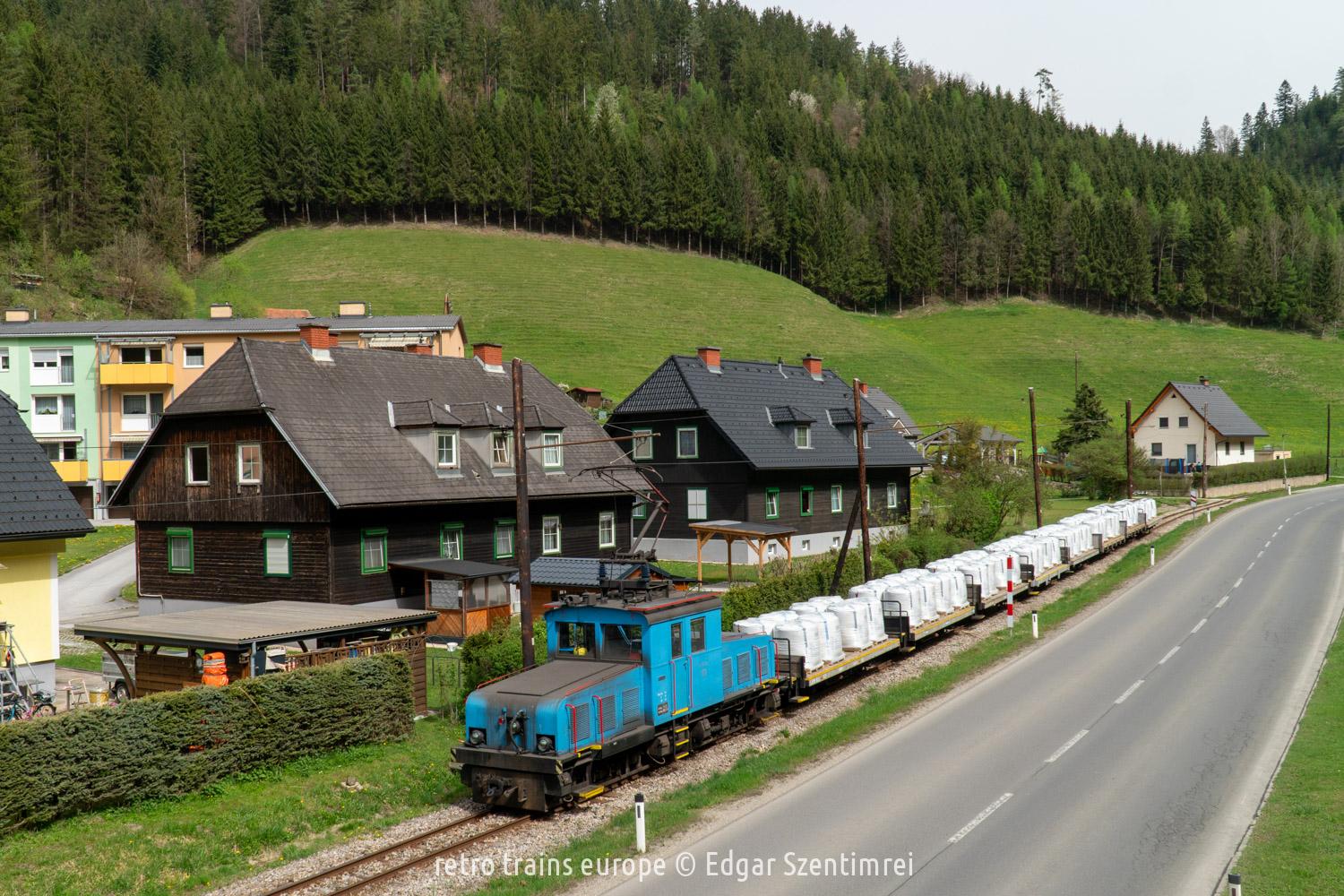
The 10.7 km long track with a gauge of 760 mm connects two locations of the Breitenau Magnesium Works, and daily freight transport takes place on it. The two endpoints of the line are Breitenau and Mixnitz. The mine and the grinding mill are located in Breitenau, in the narrow valley of the Breitenauer Creek, where building a standard gauge railway would have been too costly. The storage capacity at the grinding mill is also very limited. In Mixnitz, there used to be silos, but bulk transport no longer takes place; the goods are now transported on pallets and in big bags, with loading done by simple forklift trucks. The narrow-gauge railway could easily be replaced by trucks, but its maintenance is more environmentally motivated. Short-distance transport is carried out by trucks, but overseas shipments still rely on rail transport to the ports, with the narrow-gauge railway serving as a feeder. A daily 3-4 freight trains, each carrying 120 tons, would be a lot for road transport; moreover, the trains descend by gravity, requiring only braking, and the empty train going uphill has very low fuel consumption. Environmental protection, accident risk, and operating costs are all more favorable for the narrow-gauge railway. Therefore, the narrow-gauge railway is primarily an economic issue, but it is also significant from a PR perspective: the mining operation, by its nature, is destructive to the environment and does not wish to burden the surrounding roads with dangerous trucks that also cause more damage.
text
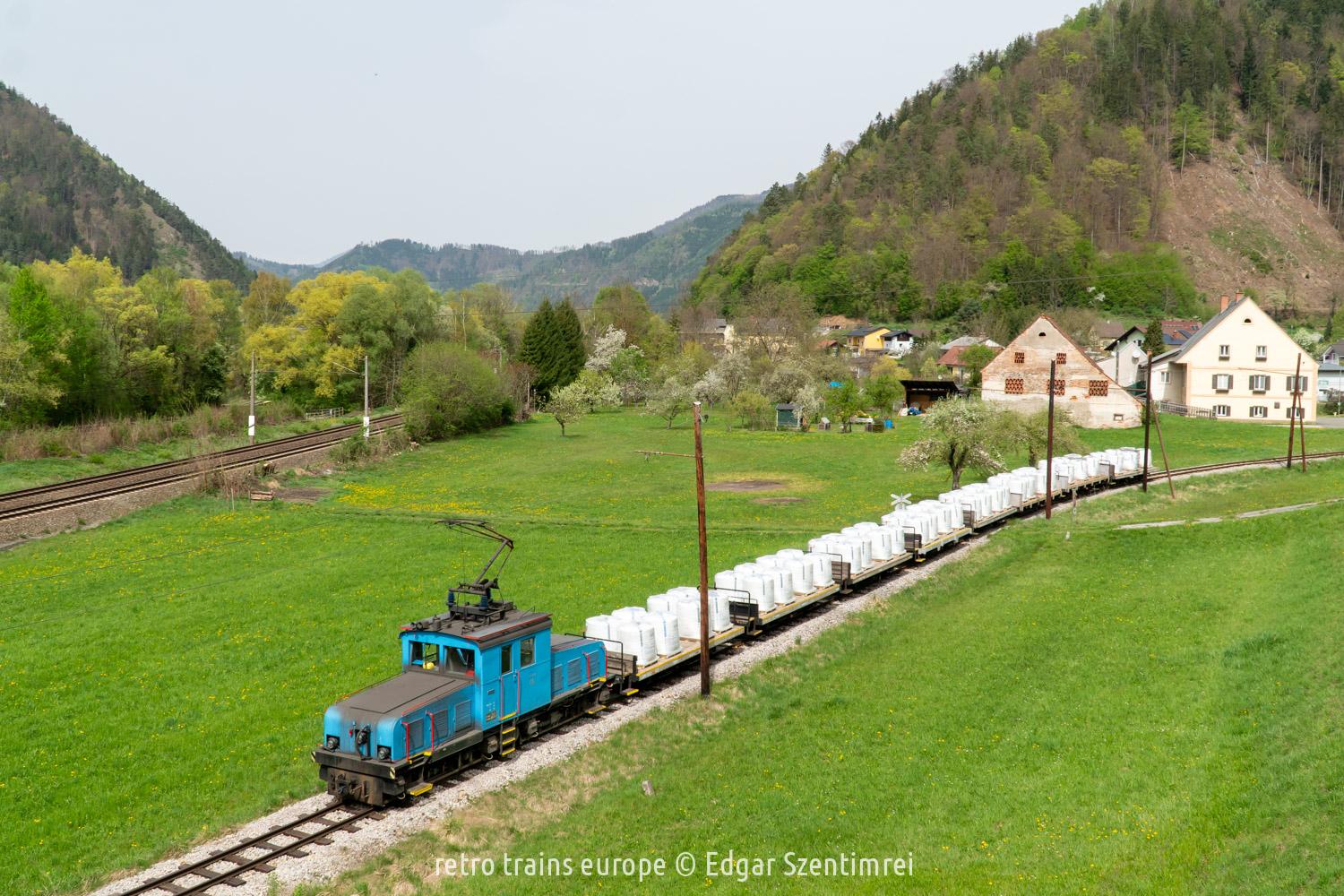
Arrival in the Mura Valley – Leaving the Breitenau Creek valley, the freight train arrives next to the main line, just a few hundred meters from the terminus. (Mautstatt / Austria, 09 April 2024, 12:14)
text
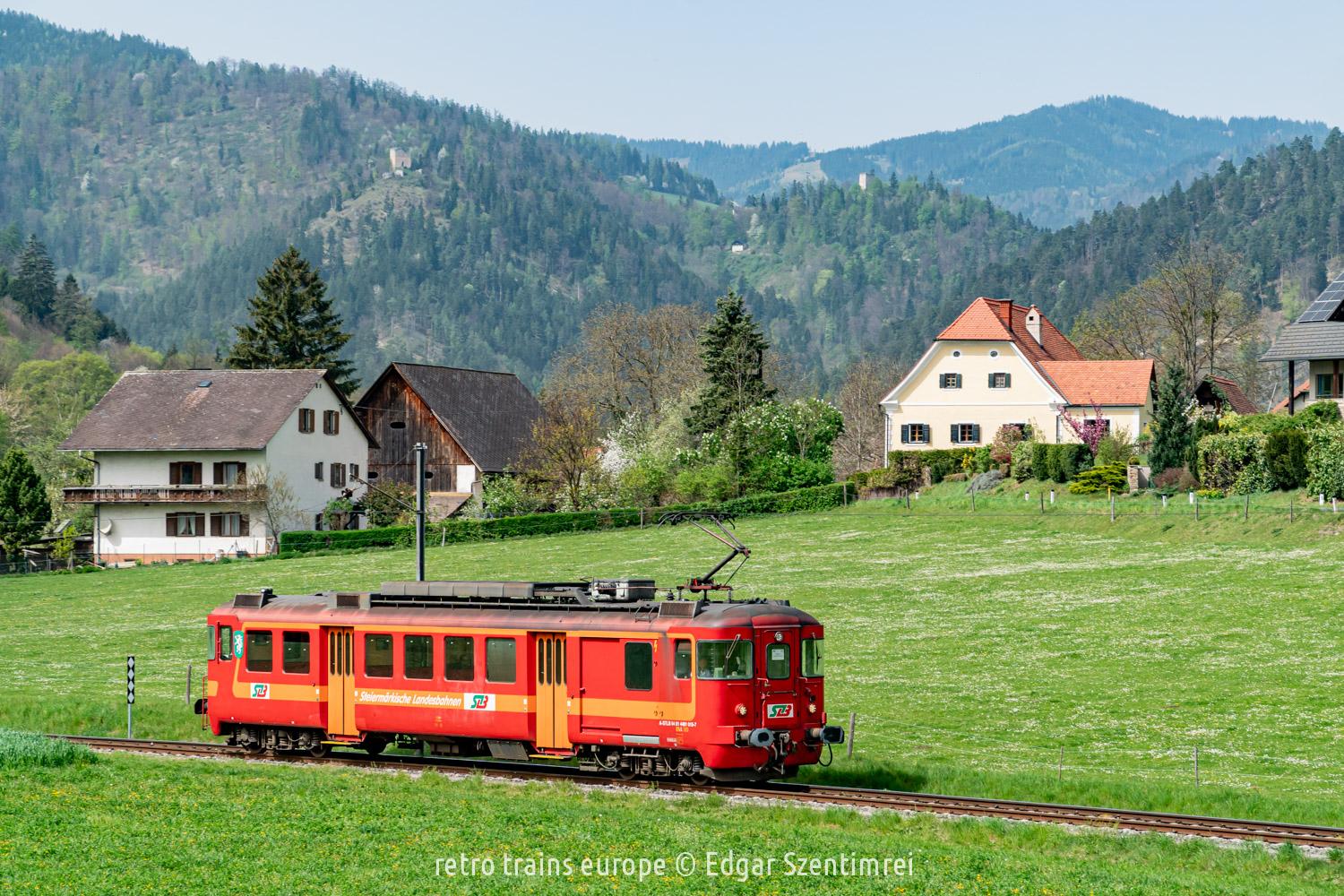
Over fifty, still useful -- Mixnitz belongs to the regional railway company STLB, as well as the standard-gauge Übelbacherbahn, which is part of the Graz S-Bahn network. The regular fleet consists of Stadler GTW articulated railcars, but if one is out of service, an absolute classic is brought in as a replacement. The company’s ET15 electric railcar is a BDe 4/4 also from Switzerland, built in 1968, and it still retains the original livery of the Sihltal Zürich Uetliberg Bahn (SZU). Today's story will continue another time, perhaps from here.. -- Prenning (at), 9 April 2024, 13:23 CET